
 Share


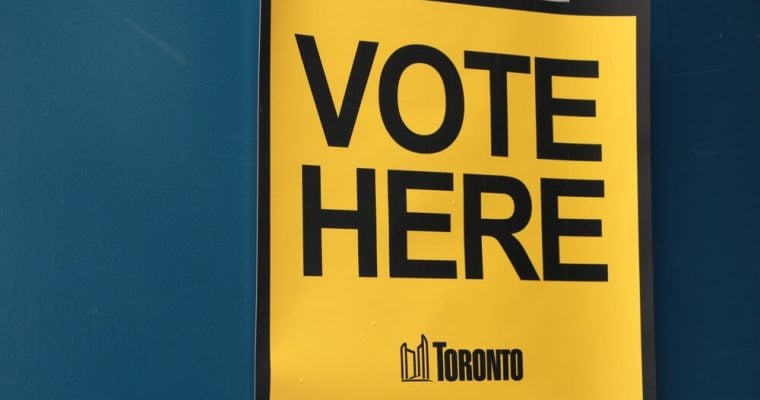
The polls are scheduled to close on Toronto’s municipal election at 8 p.m. Monday night.
There are two clear frontrunners for the mayor’s chair: the incumbent, Olivia Chow, a left-leaning civic leader who promises to fix the city’s aging, overcrowded transit system and help build more affordable housing. Her main rival is Brad Bradford, who promises more police and to cut costs for small businesses and homeowners.
On Friday, DraftKings’ Futures market updated the odds on the mayoral race. Chow is the favourite: A bettor would need to put down $170 to win $100.
A $100 bet on Bradford could yield $120 in profit if he pulls off the upset.
DraftKings reported that Chow is getting the majority of the play: 78 per cent of the handle money placed by Ontario bettors is going to her.
And this election shows the marked difference in DraftKings’ two Canadian markets. Ontario and Alberta are the two provinces that host regulated, legal online casino markets in Canada.
When Alberta launched its market in 2026, the rules were clear. Betting on elections is forbidden. No iGaming site or licensed casino in Ontario or Alberta operating under these sportsbooks can offer odds on political events.
But Ontario’s list of what’s outlawed doesn’t include elections. It does ban “bets which mimic the structure of financial instruments, products, or markets,” like Polymarket. It also bans betting on minor sports and “assets and financial markets.”
So, no betting on whether the Toronto Stock Exchange will go up by more than 100 points or not.
But it does not forbid political betting, and that’s why DraftKings offers odds on the mayoral election and is tracking the bets made by those living in Ontario. The odds being offered are for straight-up bets, and not a Polymarket like “share,” which would cross the line.
As DraftKings stated: “Betting on political elections is legal in Ontario, provided the wager is placed through a regulated operator.”
The power of political futures markets can’t be discounted. There are political parties that are beginning to see the oddsmakers as more reliable predictors of election outcomes than traditional pollsters, as odds move by the minute. Polls are often reported days after they are conducted, and there is a lag between the actual surveys and the times the results hit the press.