
 Share
Share 



Bonus TL;DR
- Kalshi has officially launched prediction apps in partnership with four Native American tribes this week, establishing a novel revenue channel for tribal operators as the broader industry faces intense legal scrutiny over sports-related event contracts.
- The partnerships highlight a growing divide within Indian Country; while a handful of tribes are exploring these platforms, a galvanized coalition of tribal opponents and state regulators are actively fighting in court to reclassify prediction markets as gambling subject to traditional state gaming laws.
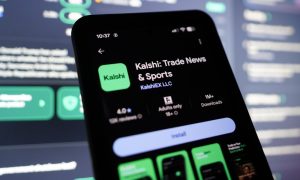
Kalshi has launched prediction apps with four Native American tribes this week, expanding its tribal partnership strategy as legal fights over sports event contracts continue across the US.
The launch matters because it gives tribes a new potential revenue stream while the broader prediction market industry faces mounting challenges from state governments and tribal opponents. According to CNN, Kalshi and Polymarket are facing dozens of lawsuits over whether these contracts fall under federal financial regulation or should instead be governed by state gaming law and the Indian Gaming Regulatory Act.
Four tribal launches add a new front in prediction markets
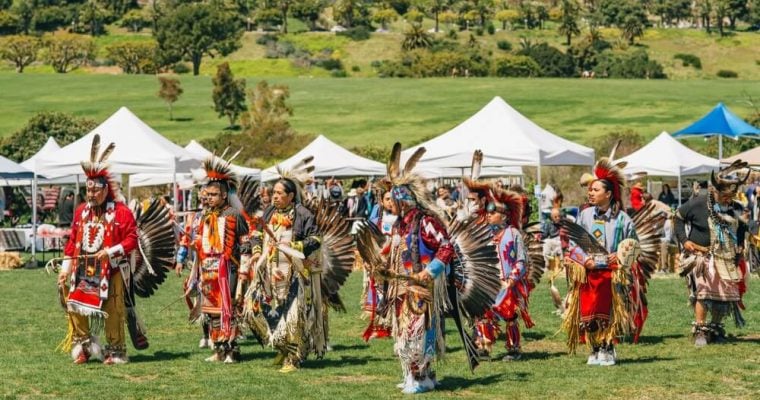
CNN reported that four tribes went live with prediction apps tied to Kalshi this week. The article described the partnerships as a possible new business opportunity for tribes, even as the model is dividing Indian Country.
The central dispute is whether sports event contracts offered through prediction platforms are federally regulated financial products or effectively betting products subject to state gambling rules and tribal gaming law. That question has become more important as operators push deeper into sports-related event markets.
The article also said court decisions so far have been split, leaving the legal status of these products unsettled.
Tribal opposition has intensified, attorney says
James Meggesto, leader of Holland & Knight’s Native American Law Team, told CNN that tribal resistance to prediction markets has become more organized over time.
“It was reactionary at the start. The gaming Tribes were tuned in early on,” Meggesto said.
“But the last year has seen a real galvanization of the opposition, notwithstanding a handful of Tribes that are dipping their toes into it.”
That split helps explain why Kalshi’s new tribal deals are notable. Some tribes are exploring prediction apps as a fresh revenue channel, while others, along with advocates and state officials, are challenging the underlying legal theory in court.
What comes next
For now, the immediate timeline is clear on one point: the four tribal apps launched this week. What is less clear is how long that expansion path remains open before higher courts give more definitive guidance.
CNN reported that many observers expect the US Supreme Court will ultimately have to decide the issue. Until then, operators, tribes, regulators, and rival stakeholders are likely to keep testing whether prediction market products tied to sports events can continue to expand under existing federal rules or must comply with state and tribal gaming frameworks instead.
Source: As reported by cnn.com.