
 Share
Share 



Bonus TL;DR
- Kalshi, Polymarket, and the Coalition for Prediction Markets have spent at least $3 million combined on lobbying and political contributions so far in 2026, launching a massive push to secure federal oversight and avoid being regulated as traditional gambling by individual states.
- Kalshi has spearheaded the aggressive spending campaign—deploying lobbyists in 41 states, directing hundreds of thousands of dollars to both Democratic and Republican political associations, and securing high-profile lobbying firms in key battleground markets like New York and California as Congress and the courts weigh the sector’s future.
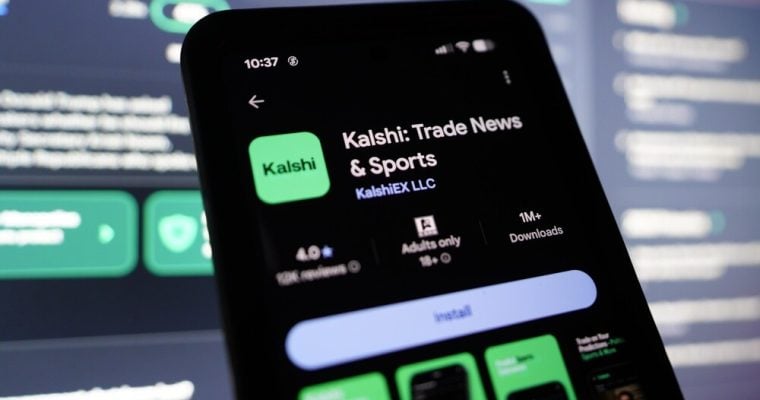
Kalshi, Polymarket and the Coalition for Prediction Markets spent at least $3 million in 2026 on lobbying and political contributions as states and federal regulators battle over who controls prediction market rules.
The spending underscores how high the stakes have become for a sector sitting between commodities regulation and state gambling law. For betting and gaming stakeholders, the outcome could help determine whether prediction markets are treated more like federally regulated event contracts or products subject to state gambling enforcement.
As of September 2026, Kalshi had at least one registered lobbyist in 41 states, according to the report from Gaming America. Nearly all were hired since April. At the federal level, Kalshi opened a Washington, D.C., office in January 2026 and spent nearly $1 million on lobbying through June 30.
Kalshi led the spending push
The report says Kalshi made major political contributions alongside its lobbying campaign. In the first half of 2026, the company gave $147,500 to the Republican Attorneys General Association and $170,000 to the Democratic Attorneys General Association. It also gave $100,000 to the Republican Governors Association and $150,000 to the Democratic Governors Association.
Kalshi also donated to a super PAC backing Texas Attorney General Ken Paxton’s Senate bid and to the campaigns of Vermont Attorney General Charity Clark, Oregon Attorney General Dan Rayfield and Florida Attorney General James Utheimer, the report said.
In California alone, Kalshi spent $62,000 on lobbying in the first half of 2026, including work on three assembly bills and outreach to the governor’s and attorney general’s offices on prediction markets.
In New York, Kalshi increased its monthly payment to Brown & Weinraub Advisors from $10,000 to $25,000 and agreed to pay The Mirram Group $25,000 per month under a contract running through July 2027. Including in-house lobbyist Blake Bee, the company’s projected New York lobbying spend exceeds $400,000 through that date.
Kalshi spokesperson Dani Lever told the outlet the company “supports candidates from both parties.”
State attorneys general and Congress could shape the next phase
The regulatory dispute centers on whether prediction markets fall under federal commodities oversight through the Commodity Futures Trading Commission or under state gambling laws.
That fight is not limited to one company. Polymarket spent $180,000 on federal lobbying in 2026, according to the report, though it had not registered state-level lobbyists. The Coalition for Prediction Markets, launched in December 2025 by Kalshi, Robinhood, Coinbase, Crypto.com and Underdog, had paid $100,000 to four Invariant lobbyists as of June 30 and registered two lobbyists with Determinant.
State officials are also organizing. A July letter signed by 44 state attorneys general argued that “federal oversight should not displace state gambling authority.”
Congress is active as well. The Protect College Sports Act passed the Senate on Oct. 5 and was awaiting House action at the time of the report.
What happens next will likely turn on court decisions, possible federal legislation, and whether Congress or regulators draw a clearer line between prediction markets and gambling products regulated by the states.
Source: As reported by gamingamerica.com.