


 Share
Share 



The looming ban on skill game machines across Pennsylvania is set to go into effect on October 14. With just a few weeks to go, the Pennsylvania State Police has cautioned convenience stores, gas stations, and other business premises running these machines that simply turning them off or unplugging them is not enough. The authorities insist that the machines must be removed from the business premises by October 13.
“To be clear, a slot machine does not cease being a slot machine if it has simply been turned off, unplugged, or temporarily disabled, allowing it to be readily operated. All establishments possessing, operating, and/or maintaining such machines are subject to criminal prosecution and immediate seizure of the machines as of Oct. 14, 2026,” officials said.
The looming ban
On June 15, 2026, the Supreme Court of Pennsylvania ruled that skill game machines qualify as a form of gambling similar to slot machines. As such, owning and operating the machines without a license from the Pennsylvania Gaming Control Board (PGCB) constitutes a criminal offense under the state’s Crimes Code.
If the ban goes into effect, the machines would only be legally available at select locations fully licensed by the PGCB, including established casinos and certified truck stops. Convenience stores, gas stations, and other establishments found still housing the machines would be subject to immediate machine seizure, asset forfeiture, and criminal prosecution.
A disaster for affected businesses
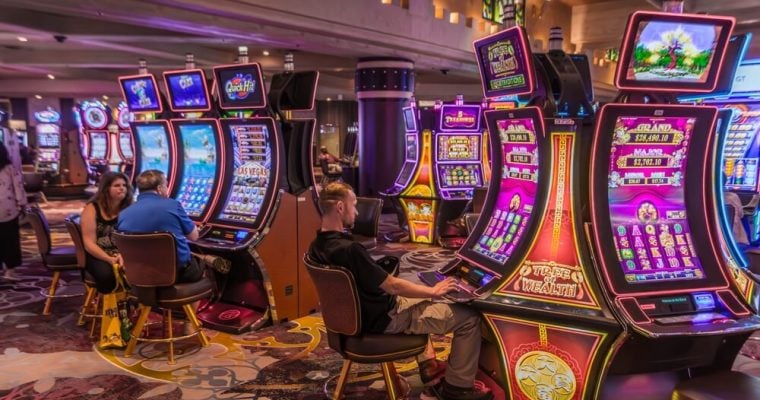
The looming ban will affect approximately 70,000 skill game machines and thousands of businesses. Notably, business owners who depend on these machines for supplemental revenue see it as a death sentence.
“Without the machines, people don’t want no food. Without the machines, people won’t want to drink. So without the machines, we don’t have no people. We need the machines. It’ll affect everybody’s job – my bartender’s job, my delivery driver’s job, my job,” said Santwan Williams, the head chef at Joe’s Bar in Chester, where over half of its patrons play skill game machines.
Notably, many businesses across the state depend on the revenue from skill game machines as a high-margin lifeline to cushion them against rising operational costs. In addition to direct income, these machines also help with customer retention, as customers spend more time at the premises and buy convenience items like coffee and snacks.
“Local small businesses include skill games revenue in their business models in their challenge to make sure that revenue exceeds expenses and they can keep their doors open,” said State Representative Brad Roae. He further noted that revenue from the skill game machines also helps fund volunteer fire department clubs.
A legislative standstill
When making its decision on skill game machines, the Supreme Court issued a 120-day stay to give the legislature enough time to pass regulatory laws that would resolve the issue. However, lawmakers have failed to pass a unified bill with just weeks to go.
Lawmakers are split on several issues, which have caused a legislative standstill. Most notably, legislators can’t agree on a fair tax rate for the machines. While Governor Josh Shapiro proposes a steep tax rate of 52%, the same as the tax rate imposed on commercial casinos, the skill game industry is pushing for lower rates ranging from 16% to 20%.
Lawmakers are split on several issues, which have caused a legislative standstill. Most notably, legislators can’t agree on a fair tax rate for the machines. While Governor Josh Shapiro proposes a steep tax rate of 52%, similar to the high tax rates applied to commercial slot machines and online casinos in the US operating within regulated state markets, the skill game industry is pushing for much lower rates ranging from 16% to 20%.
Legislators are also split on how to allocate the newly generated tax revenue. Finally, there is disagreement on where to allow skill game machines, with some lawmakers recommending that they be restricted to VFWs, American Legions, and fraternal clubs.
Working towards a compromise
Rep. Roae said on Monday that he would present legislation that would extend the looming deadline to April 13, 2027. He noted that it is highly unlikely that legislation to make skill games legal, establish a tax rate, establish regulations, and decide how to spend the revenue would be passed on time. Notably, the House is scheduled to meet again on September 28, long after the ban goes into effect.
“With a very limited number of scheduled voting session days between now and October 13, 2026, and no consensus yet, more time is likely needed to get it done. We obviously cannot extend a date that a court makes in a decision, but we can pass legislation to make skill games legal,” Roae wrote in a memo. “We can add a new category of slot machines called skill games and exempt skill games from the taxes and regulations applied to slot machines, and we can allow skill games to be in any location, not just casinos.”