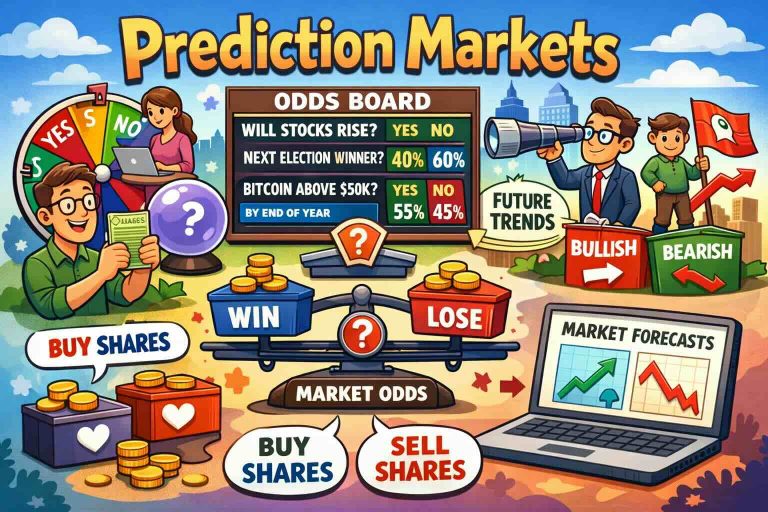
The new year is barely a week old, and prediction markets are already the loudest thing in the room. What used to be a niche corner for political junkies has officially turned into a high-stakes arena where huge trades are now triggering even bigger responses from Washington.
We are seeing a major shift where the wild west era of these platforms is meeting some very serious federal oversight for the first time.
Washington Wants a Seat at the Table
The biggest headline this week comes from U.S. Rep. Ritchie Torres out of New York. He is officially introducing the Public Integrity in Financial Prediction Markets Act of 2026. This bill is designed to stop federal officials and executive branch employees from trading on these platforms if they have access to nonpublic information.
The logic here is pretty simple: Torres wants to treat these markets like the stock market. If a government official knows about a major policy shift or a military move before the rest of us, they should not be able to log onto an app and profit from that secret.
This marks a turning point where prediction markets are being viewed as legitimate financial products that need the same guardrails as Wall Street.
The $289,000 Question: China and Taiwan
While the lawyers in D.C. are busy writing bills, the traders on Polymarket are staying focused on the next potential global flashpoint. A new account by the name Caspersmc just put down roughly $37,000 on the outcome that China will invade Taiwan before the end of 2026.
If this trader is right, they stand to walk away with $289,000 payout. Even though the broader market currently thinks there is only a 14% chance of this happening, the size of the wager has everyone talking.
People are wondering if this is just a high-risk gamble or if someone knows something that the rest of the world has not figured out yet. It is exactly this kind of high-stakes drama that is pushing the government to move so quickly on new regulations.
The “Inside Job” or Just a Lucky Guess?
It isn’t just the government feeling the heat — some traders are proving to be suspiciously good at predicting the future. One Polymarket user recently turned a $1 million profit by knowing the exact specs and launch dates for Google’s Gemini 3 before the public did. The word on the street is that this genius is actually an Alphabet employee turning company secrets into a payday.
We saw the same kind of “miracle” timing right before DraftKings rolled out its prediction platform on December 19. While these traders are busy counting their millions, they are also giving Rep. Torres the perfect excuse to crash the party with his new bill.
It turns out that when the winners are also the ones holding the blueprints, the rest of the world starts calling for a referee.
What is the Verdict for 2026?
The industry as a whole is entering a new phase. Platforms like Kalshi are already working hard to show that they have rules in place to stop insider trading, while decentralized sites like Polymarket are facing more scrutiny than ever.
As we look ahead to the rest of 2026, it is clear that prediction markets are becoming a primary way for people to hedge against global volatility. Whether it is the price of gas or the outcome of an election, these contracts are turning “hot takes” into a new kind of asset class. The next few months will decide exactly how much freedom these traders will actually have.
About the Author