
 Share
Share 



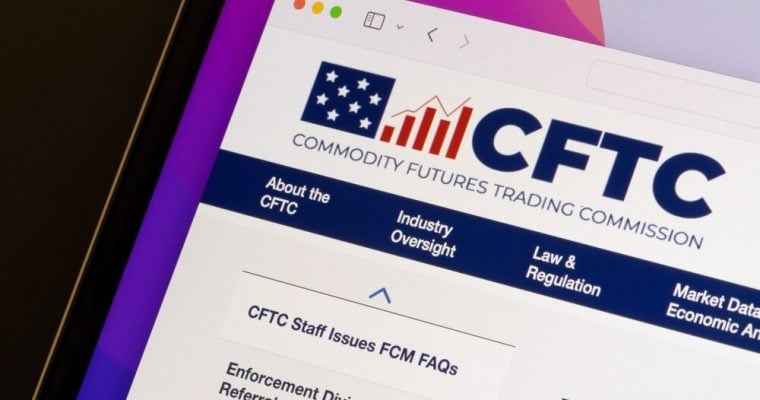
Kalshi has asked the Commodity Futures Trading Commission to approve a new U.S. oil futures contract tied to West Texas Intermediate crude that would remain listed for 10 years before expiring.
The filing would give traders a way to keep long-term oil exposure without repeatedly rolling from one near-dated contract into the next. That makes the proposal notable not just as a new Kalshi product, but as a challenge to how U.S. oil futures are typically structured today.
According to the source report, the CFTC has 45 days to review the filing. The contract would trade 24 hours a day, Monday through Friday.
Kalshi’s proposal aims to avoid constant contract rollovers
Kalshi says the design could reduce rollover costs and keep trading activity concentrated in one contract rather than splitting liquidity across multiple expiration months.
The filing is being reviewed directly by the CFTC rather than self-certified, according to the report, because of the product’s perpetual-like structure. While the proposed contract is not literally perpetual, its 10-year lifespan would make it much longer-dated than standard futures products used by many oil traders.
That could matter in a market that has seen wide price swings this year. The report says WTI futures have moved through roughly a $60-per-barrel range since January.
The filing arrives amid broader tension with CME and regulators
The proposal also puts Kalshi into more direct competition with CME, the dominant U.S. futures marketplace. The report says CME had been developing its own 24/7 oil trading concept but later shelved that effort after opposition and a CFTC block.
CME executives have also criticized perpetual futures, according to the report. Earlier this year, CME sued the CFTC over the regulator’s decision allowing Kalshi to offer crypto-linked versions of a similar broad derivatives concept.
The source report also notes that Kalshi remains involved in separate litigation over sports event contracts. Those cases are moving through multiple courts, including a petition led by Ohio and 38 other states asking the U.S. Supreme Court to weigh in. But the immediate issue for this filing is narrower: whether the CFTC will allow Kalshi to list a long-dated oil contract in the U.S. market.
What happens next
The clearest next milestone is the CFTC review window. Under the timeline cited in the report, the regulator has 45 days to approve or reject the filing.
Key open questions include how Kalshi plans to keep the contract price aligned with WTI in practice and when the product would launch if it wins approval. For now, the filing signals that Kalshi is still pushing beyond event contracts and deeper into regulated derivatives products.
Key open questions include how Kalshi plans to keep the contract price aligned with WTI in practice and when the product would launch if it wins approval. For now, the filing signals that Kalshi is still pushing beyond traditional prediction markets and deeper into regulated financial derivatives products.
Source: As reported by news.google.com.