
 Share
Share 



Bonus TL;DR
- Alabama-Quassarte Tribal Town partnered with Kalshi to launch prediction market app PokkeTrades for tribal economic development.
- Over 140 tribes oppose the app, arguing prediction markets undermine tribal sovereignty, IGRA frameworks, and vital gaming revenues.
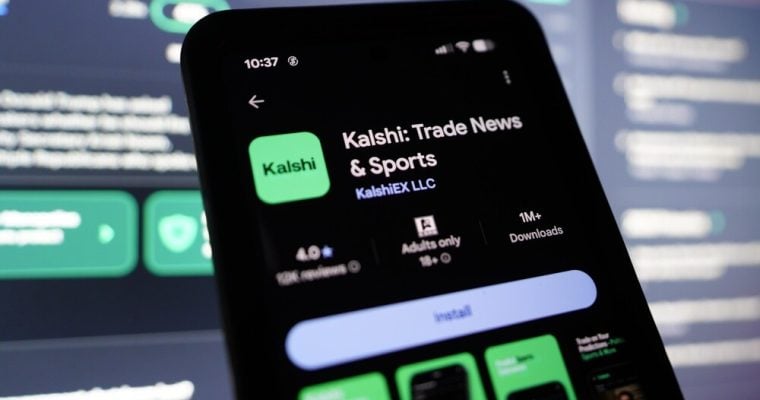
Alabama-Quassarte Tribal Town in Oklahoma has partnered with Kalshi to launch prediction market app PokkeTrades, a move that tribal gaming groups say threatens existing tribal gaming authority and revenue.
The deal matters beyond one launch because it puts prediction markets and tribal gaming sovereignty on a collision course. The dispute now reaches from Oklahoma to Washington, with more than 140 tribes asking the U.S. Supreme Court to weigh in on Kalshi and similar platforms.
According to the Journal Record, the tribe owns the app and handles marketing, while Kalshi provides the exchange infrastructure underneath the platform. Alabama-Quassarte Tribal Town, headquartered in Wetumka, Oklahoma, has about 400 members and is not among the 35 Oklahoma tribes with gaming compacts with the state.
Michael Stopp, the tribe’s vice president of economic development, said Kalshi offered the infrastructure needed to enter prediction markets. “Kalshi gives them access to the market so they can engage in trades with a larger trading pool,” Stopp said.
Why other tribes are pushing back
The Oklahoma Indian Gaming Association said sports prediction market apps cut against the tribal-state compact system and the Indian Gaming Regulatory Act framework that governs tribal gaming.
“We view sports prediction market apps as undermining the Indian Gaming Regulatory Act and Oklahoma Tribal-State compacts by allowing illegal Class III gaming to infringe upon the sovereignty of Tribal nations, and as undermining revenue streams that are critical to Tribal government programs and services,” association chair Matthew L. Morgan said.
That criticism mirrors arguments made in a broader court fight. The article said an amicus brief from 140-plus tribes argues prediction market platforms do not pay the same taxes as tribal sportsbooks and do not go through the same compacting process required under IGRA.
In the filing described by the article, tribes argued that platforms such as Kalshi siphon revenue from tribes, states, the federal government, and local communities while operating under different rules.
Tribe says prediction markets create a new path to revenue
Alabama-Quassarte leaders framed PokkeTrades as an economic development project for a casino-less tribal nation. Chief Wilson Yargee said prediction markets could help tribes build revenue beyond the geographic limits that have historically shaped who benefits from gaming.
“Geography has kept many tribes from sharing in the prosperity that gaming created,” Yargee said. “Prediction markets offer an opportunity to reach beyond those limits and build revenue for our people.”
Stopp also pushed back on the idea that all tribal interests align on this issue, saying, “To say that all of Indian country is out there to protect gaming isn’t a fair statement to make.”
What comes next is likely to be decided less by marketing than by regulation and the courts. The launch adds another real-world test of how tribal governments, gaming groups, and federal authorities will treat prediction market products tied to sports and other events.
Source: As reported by Sarah Liese.