





 Share
Share 



Bonus TL;DR
- Heather Maurer resigned as NCPG executive director following fallout over the organization’s $2 million partnership with prediction market Kalshi.
- Several state regulators and problem gambling councils resigned from the NCPG in protest over the Kalshi membership deal.
The National Council on Problem Gambling says prediction markets are functionally gambling.
And it’s now looking for a new leader after partnering with one.
Heather Maurer resigned as NCPG executive director, the board announced over the weekend. Her last day is Oct. 16, a little more than nine months after she started. The board did not give a reason.
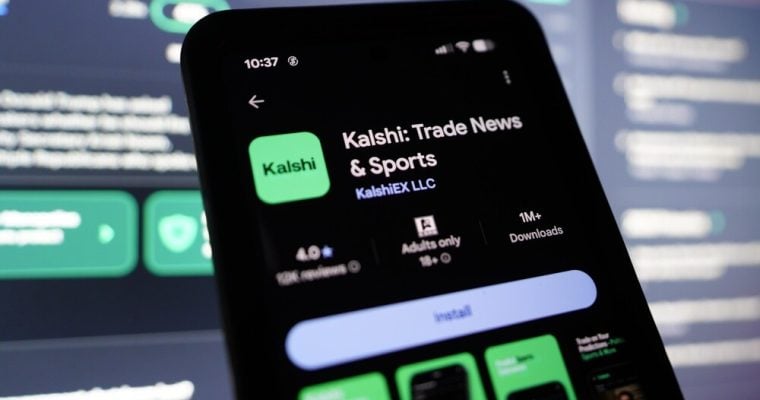
Her exit follows months of fallout over NCPG’s partnership with prediction markets operator Kalshi, as Legal Sports Report reported Monday.
Why the NCPG matters to bettors
Most bettors never think about the NCPG. But it runs the National Problem Gambling Helpline Network, works with state problem gambling councils and pushes for player protections across gambling.
So when state regulators and councils start walking out, that’s worth noticing.
In May, NCPG named Kalshi the first platinum member of a new Financial Services & Trading category, with a $2 million pledge over two years. Since then, the Ohio Casino Control Commission, Michigan Gaming Control Board, Nevada Council on Problem Gambling and Washington’s Evergreen Council on Problem Gambling have all left.
The board said NCPG’s programs and services will continue during the search for Maurer’s replacement.
Prediction markets vs. legal sports betting in the US
Here’s the part that matters for anyone betting on sports.
Kalshi sells contracts on game outcomes in states where regulated sportsbooks need a license to take a bet. Several of those states say that’s illegal sports betting, and the fight has gone to court:
Michigan Attorney General Dana Nessel secured a preliminary injunction Sept. 1 ordering Kalshi to geofence its sports contracts out of the state, with a $500,000 per-day penalty for violations.
The Ninth Circuit Court of Appeals ruled Aug. 28 that Kalshi’s sports contracts are gambling under Nevada law, not federally regulated swaps.
The Ohio Casino Control Commission moved in April to fine Kalshi $5 million for unlicensed sports gaming.
That’s the gap. A licensed sportsbook in those states has to follow the state’s rules on things like age verification and self-exclusion. Kalshi says it isn’t a sportsbook at all.
What NCPG says now
On Sept. 22, NCPG Board President Derek Longmeier called for minimum protections on prediction markets, including self-exclusion, age verification, and risk disclosures. He also put the group’s position in writing: “NCPG believes it is functionally gambling and can expose consumers to many of the same risks and harms associated with traditional gambling.”
Kalshi spokesperson Elisabeth Diana told Axios the company disagreed with that assessment.
Kalshi was still an NCPG member as of that statement. The group’s next executive director will have to sort out whether it stays one.
As Longmeier put it:
“People are experiencing real financial, emotional, and relationship consequences as a result of prediction markets. The harm is not theoretical, and we cannot wait to act.”


