


 Share
Share 



Bonus TL;DR
- Fabricated election polls released under Median Strategies triggered manipulation concerns on prediction markets, though platforms found no related trading.
- The incident renewed criticism from opponents who argue political prediction markets are easily manipulated and unlawful under existing regulations.
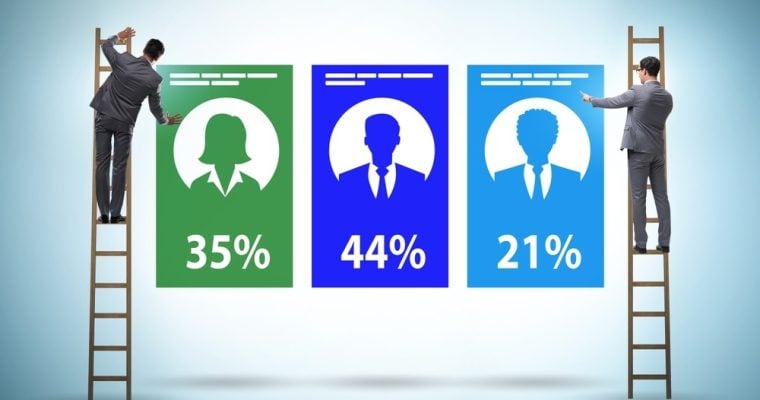
A fake election polling stunt has renewed scrutiny of Kalshi and Polymarket just weeks before the midterms, after fabricated survey results spread online and triggered immediate suspicion that someone was trying to influence prediction markets.
According to NPR, the fake polls were released under the name Median Strategies and focused on the Los Angeles mayor’s race and elections in Wisconsin and Nevada. The man behind them, 21-year-old Rahil Prakash, told NPR the project was “a short-term social experiment” meant to test how quickly false numbers would circulate.
The episode matters because election prediction markets are now handling billions of dollars in weekly trading, while regulators and critics are raising concerns about misinformation, insider trading, and whether election contracts should be allowed at all.
Platforms say they found no linked trading
Kalshi said it reviewed the incident and did not find evidence that Prakash traded on the races tied to the fake polls. Prakash also told NPR, “No bets or trades were placed on prediction or betting markets related to any of the races for which Median Strategies published polling.“
A Polymarket employee told NPR that Prakash does not appear to have an account on that platform.
Kalshi defended election markets in a statement to NPR. Company representative Jack Such said, “Fake polling is a poignant example of why election markets are so important: they’re a filter for misinformation.” He added that traders lose money if they act on bad information and said the markets “barely reacted at all” even as news outlets and campaigns treated the polling as real.
The story said the Commodity Futures Trading Commission, which regulates prediction markets, did not respond to a request for comment. The U.S. Department of Justice also did not return a request for comment, while the California Attorney General’s Office declined to comment.
Critics say election markets remain vulnerable
Critics cited by NPR argued the incident highlights the risks of allowing wagers tied to political outcomes.
Amanda Fischer of Better Markets said, “These markets are very easily manipulated,” and warned that “some folks will be looking for ways to game prediction markets, partisan interests, and worse, perhaps even foreign actors.” She also told NPR that betting on elections is “clearly prohibited under existing law” and said the consequences for democracy could be severe.
Political strategist Eddie Vale offered a different critique, arguing that the contracts often follow public information rather than predict it. “It appears that there really aren’t any predictions here, they’re just reacting belatedly to public information, like polls and news stories,” he said.
NPR also pointed to earlier prediction market controversies this year, including reports involving a special forces soldier, former Rep. George Santos, and a Donald Trump teleprompter operator.
What to watch next
Two key questions remain unresolved: whether any regulator opens a formal investigation into the fake-poll episode, and whether election markets face broader scrutiny ahead of the midterms in about two months.
For operators, the immediate issue is market integrity. For regulators, the bigger one is whether existing surveillance and compliance tools are enough if fabricated political information can move attention, even when the platforms say it did not lead to trades in this case.
Source: As reported by Bobby Allyn.