



 Share
Share 



Bonus TL;DR
- Kalshi signed sponsorship deals with five MLB teams, bringing prediction market partnerships to seven major-league clubs.
- Four of the five new Kalshi teams play in states where sports betting remains illegal, creating commercial openings for prediction markets.
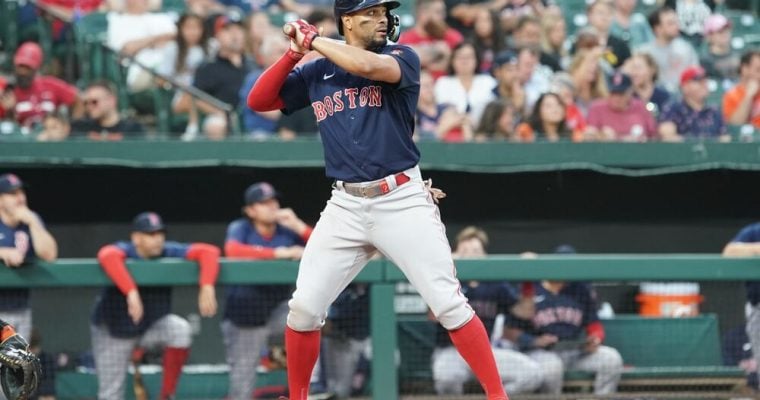
Kalshi has signed sponsorship deals with five MLB teams — the Atlanta Braves, Boston Red Sox, Los Angeles Dodgers, San Diego Padres, and San Francisco Giants — pushing the number of major-league clubs with formal prediction market partnerships to seven, according to a New York Times report earlier this week.
The deals matter because they show how quickly prediction markets are moving into the same sponsorship lanes long occupied by sportsbooks, even as the sector faces rising legal and integrity scrutiny. The Times reported that the New York Mets previously partnered with Novig and the New York Yankees with Polymarket, while MLB itself formed an official partnership with Polymarket before the season.
Why teams and prediction markets are making these deals now
The Times reported that team sponsorships with prediction markets are now being viewed similarly to sports betting partnerships. The financial incentive is significant: such deals can be worth as much as eight figures per year.
For clubs, the appeal goes beyond sponsorship revenue. The report said teams want access to younger adult audiences and fans who closely follow information and data. Mets president of business operations Lew Sherr told the Times, “This is a category we’ve been tracking for quite some time,” and added of future deals across the league, “You’re likely to see many more.”
For the platforms, team tie-ups offer brand credibility at a time when the legal status of prediction markets remains contested. Gambling industry analyst Dustin Gouker told the Times, “These team deals are about legitimacy.”
The report also said prediction market operators may use those relationships to build VIP-style customer experiences. Danny Funt told the Times, “It seems clear prediction markets are trying to ramp up their version of the VIP business.”
Integrity rules and legal pressure could shape what comes next
The expansion is happening alongside broader scrutiny of gambling-related products in baseball. According to the report, Congress asked MLB and the MLB Players Association to better regulate promotional materials sent to sports betting customers. The MLBPA said it proposed further limits during collective bargaining talks on prop bets and other wagers tied to a player’s single-game performance.
MLB has also taken steps to eliminate or cap betting amounts on certain wagers after the suspensions involving Emmanuel Clase and Luis Ortiz, the Times reported.
Polymarket said its agreement with MLB includes an integrity framework that restricts markets seen as more vulnerable to manipulation, including markets on individual pitches and some decisions by managers and umpires. “Our agreement with MLB includes an integrity framework that restricts markets that could be more vulnerable to manipulation,” Ari Borod told the Times.
Legal risk also remains high. The report said New York state is suing Kalshi, arguing the company’s offerings are “quintessentially gambling.” Gouker told the Times the case is “an existential threat to the industry.”
One notable detail in the Times report: four of the five teams in Kalshi’s new batch play in states where sports betting is still illegal, underscoring how prediction markets may be finding commercial openings even where traditional sportsbook partnerships are more constrained.
Source: As reported by Tim Britton.