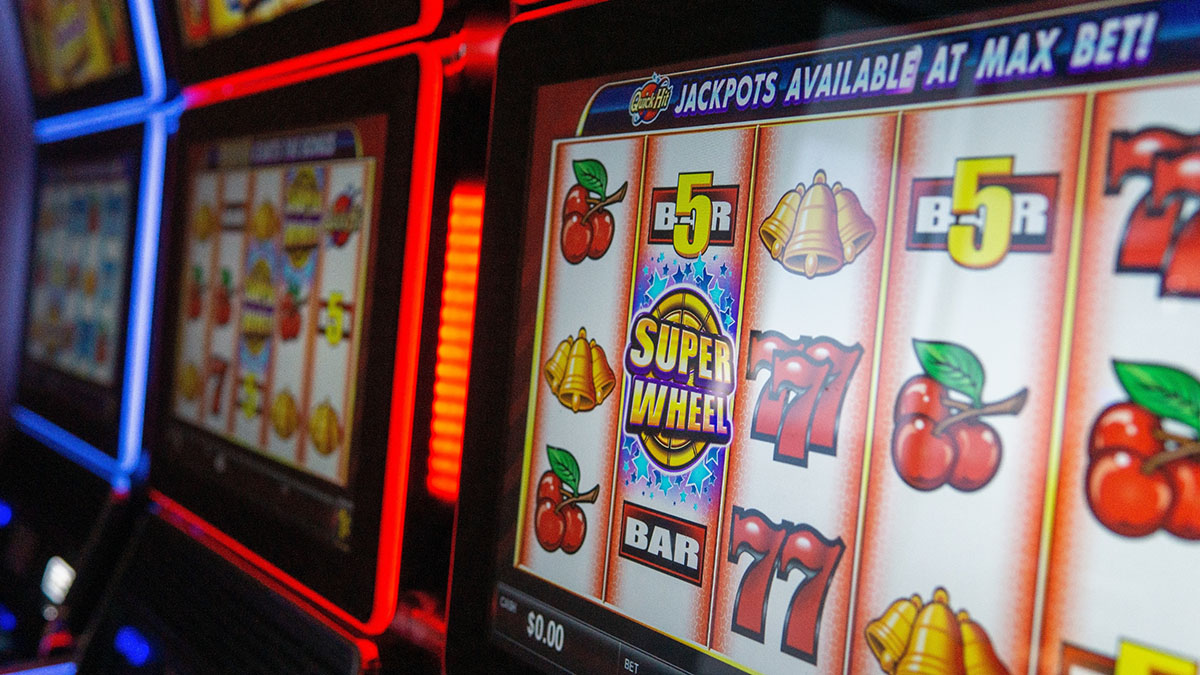


Ugga Bugga





Earn Coins For Playing Ugga Bugga
JOIN BONUS+ AND REDEEM PRIZESUS residents, 21+. By joining you agree to the Terms & Privacy Policy. Coins are promotional and hold no cash value.
Popular Slots








100,000 GC Plus 2.5 Free SC on Sign Up
500+ Games to Play, No Purchase Needed
- Get 5 Free SC + 250,000 WOW Coins on Sign Up
- Over 1000 Slots Games
- Welcome Bonus and Daily Login Bonuses
Get 2 Free SC + 100,000 Crown Coins on Sign Up
Rated Excellent by Players - #1 Most Reviewed Social Casino
200% More Coins on First Purchase
Get 200,000 GC + 20 Free Spins on Sign Up
Get 750,000 GC + 75 Free SC for $50 (25 SC Extra!)
Fresh New Games Added Weekly
Get 7,500 GC + 2.5 SC Free on Sign Up
Play 700+ Social Casino Games
Get Free Coins Daily
Get up to 85,000 GC + 62.5 Free SC on First Purchase
1,750+ Thrilling Slots and Live Dealer Games Available
Win Gift Spins, Scratch-offs, Bubble Bursts, Wonder Wheel Spins + More!
- Free 2.3 SC + 5,000 GC on Sign Up
- Daily FREE Sweepstakes When Logging In
- Choose From Over 700 Games
Exclusive 3 SC FREE on Sign Up + 500,000 GC
PLUS Up to 250% Extra Coins on First Purchase
Top Free-to-Play Exclusive Slots Games
Get 100,000 GC + 2 SC Free on Sign Up
50% CoinsBack on Every SC Spin — Instant, Automatic, Win or Lose
1,000+ Games from Leading Studios, Plus CoinsBack Originals
Get 7,500 GC + 1 Free SC on Sign Up
500+ Games Including Jackpot, Quest and RAF
Birthday Bonus and Cashback
Over 1,000 Slots + Live Dealer Casino-Style Games + Live Poker!
10,000 GC + 1 Stake Cash Daily Bonus
Partnerships with Drake, Stake F1 Team, UFC, Everton FC and more!
Get 250,000 Gold Coins + 2.5 SC on Sign Up
Exclusive Games & Prize Promotions
Top Tier VIP Support
Get 100,000 GC + 2 FREE SC on Sign Up
Daily 5,000 GC + 0.3 Free SC Login Bonus
Choose from 500+ Games
300% Value on Sign up and First Purchase: 300,000 GC + 22 FREE SC For $9.99
Choose from 1,000+ Slots Games
Plus 50% Match up to $50 in Casino Bonus
24/7 Live Dealer BlackJack, Baccarat, Roulette & Poker
Plus Hundreds of Other Games (Slots, Plinko, Crash, etc.)
Pros and Cons
Strengths
- Structured, methodical gameplay that rewards paying attention instead of mindless spinning.
- Clear rules and straightforward paytable; easy to understand what you’re being paid and why.
- RTP listed as 99.07%, which will appeal to players who care about the underlying math.
- Generally more of a steady grind feel than a brutal boom-or-bust experience, making bankrolls last longer for many players.
- Lightweight graphics and sound mean smooth performance on most Desktop, Mobile devices, including older phones and tablets.
- Flexible bet range from $0.1 up to $250, with max potential win of up to 1000xx your stake.
Weaknesses
- Tame and repetitive for players who want explosive, ultra-high-volatility gameplay.
- Visuals are dated compared to modern, high-budget slots.
- Lack of elaborate bonus rounds or cinematic features can feel underwhelming.
- Top payout may feel modest to hardcore jackpot hunters used to huge advertised maximum multipliers.
- Availability is limited to regulated markets and specific casinos, so not every US player will see it in their local lobby.