


 Share
Share 



Sports betting used to sit beside the game. You watched on cable, checked the odds on your phone, placed a bet in a separate app, and bounced back and forth for the next three hours.
That setup is quickly disappearing.
Streaming platforms, media companies, sportsbooks, and leagues are building deals around one basic idea: the fewer steps between watching a game and betting on it, the more valuable that viewer becomes.
The end goal is not just another sportsbook logo in the corner of the screen. It is a connected experience where the broadcast, stats, fantasy contests, odds, and bet slip all live inside the same ecosystem.
The Stream Is Becoming the Sportsbook Lobby
The ESPN-DraftKings partnership is probably the clearest US example of where this is headed.
DraftKings became ESPN’s exclusive official sportsbook and odds provider in November 2025, with integrations rolling out across ESPN’s platforms and direct-to-consumer streaming service in 2026. ESPN BET remained as a content brand, but the actual sportsbook integration shifted to DraftKings.
That matters because ESPN is not simply selling DraftKings advertising space. It can send a viewer from a live game, score page, article, fantasy lineup, or betting show toward a relevant DraftKings market.
The companies have also introduced account linking, including a March Madness feature that created personalized betting options around a user’s ESPN Tournament Challenge bracket. Someone who picked an underdog to reach the Final Four could be shown wagers connected to that exact choice.
That is much more powerful than a generic “Bet Now” banner. The media platform already knows what the fan follows, watches, reads about, and predicts. The sportsbook can use those signals to make its betting menu feel more relevant.
Watching and Betting Are Moving Onto the Same Screen
Sportsbooks have offered live streams for years, especially for tennis, international soccer, and horse racing. The difference now is how interactive those streams are becoming.
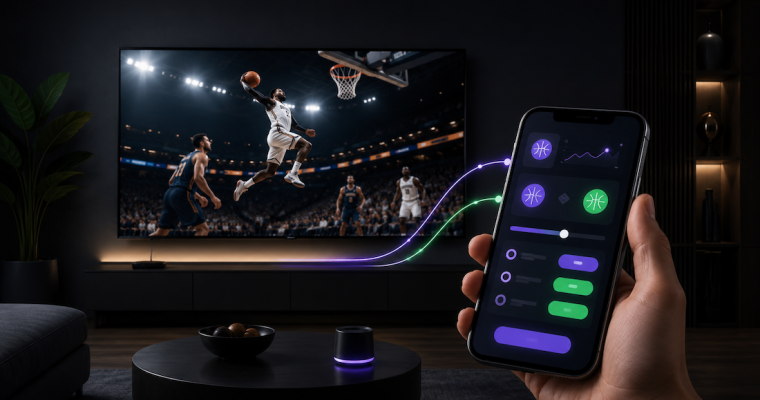
Genius Sports’ BetVision product combines low-latency video with odds, statistics, betting prompts, and an integrated bet slip. A user can watch a game, select a player on the screen, view relevant markets, place a wager, and track it without leaving the video player.
FanDuel has also worked with FanDuel Sports Network to bring bet tracking into select NBA and NHL broadcasts. Viewers who link their accounts can follow eligible wagers during the game rather than constantly reopening the sportsbook app.
That may sound like a small convenience, but convenience is basically the entire battle in mobile betting. Every extra tap gives someone another chance to reconsider, get distracted, or close the app. Streaming integrations remove some of that friction and keep the user engaged through the full game.
Media Rights Are Worth More When They Create Bets
The value of sports rights used to be measured mostly through subscriptions, advertising, and carriage fees. Betting adds another layer.
A platform with live sports can use those games to acquire sportsbook customers, increase in-play betting, sell more targeted advertising, and keep users inside its product longer.
That can make smaller leagues and less prominent events more useful. A Tuesday afternoon tennis match may not attract a massive standalone television audience, but it can produce a steady supply of live markets for bettors who are already inside the app.
Sportsbooks benefit because streaming gives customers a reason to stick around. The longer someone watches, the more opportunities an operator has to offer updated spreads, next-score markets, player props, and other live wagers.
This is also why low latency matters so much. A regular stream can run several seconds behind the actual event, which creates obvious problems when odds change after every pitch, possession, or point. Deals involving official data and low-latency video let sportsbooks keep markets open longer and offer bets deeper into the action.
Sportsbooks Are Becoming Media Companies
The traffic is moving in both directions. Media companies want betting revenue, but sportsbooks also want content, viewers, and recognizable broadcast brands.
FanDuel’s naming partnership with the former Bally Sports regional networks put its brand directly on local NBA, NHL, and MLB coverage. FanDuel customers were also offered complimentary access to the network’s direct-to-consumer streaming service, connecting the sportsbook brand to the actual process of watching games.
DAZN has gone even further internationally by treating betting as part of its larger sports platform. In addition to DAZN Bet availability in certain markets, the company announced a Polymarket partnership designed to bring prediction trading directly into the DAZN ecosystem.
These companies do not want to be apps that customers open for 30 seconds, place one pregame wager, and forget. They want to own as much of the sports fan’s day as possible: news in the morning, picks before the game, the stream itself, live bets during play, and results afterward.
The Risks Are Becoming Harder to Ignore
A smoother product is not automatically a better one for every customer.
When betting markets are built directly into a broadcast, the line between watching sports and gambling on sports gets thinner. Personalized prompts can be useful, but they can also create more pressure to keep betting. Live markets move quickly, leave less time for thought, and make it easier to chase whatever just happened on the screen.
Operators and media companies will need to make responsible gambling controls just as easy to access as the bet slip. Regulators may also take a closer look at how odds, prompts, and promotions are presented inside streams, especially when younger viewers or people in non-betting states can access the same coverage.
Where This Is Headed
The future of sports betting probably does not look like one sportsbook app and one streaming app sitting next to each other on a phone.
It looks like a personalized broadcast that knows your favorite team, fantasy roster, open bets, and preferred markets. That could mean optional betting overlays, alternate feeds designed for bettors, personalized odds, automatic bet tracking, and one-click account linking across media and sportsbook platforms.
The companies that win will not necessarily be the ones with the loudest commercials or biggest signup bonuses. They will be the ones that make watching, researching, and betting feel like one continuous experience – without making it feel like the sportsbook is swallowing the game.