



Bonus TL;DR
- At the NCSL summit, lawmakers discussed sports betting affordability and gambling addiction alongside broader state policy challenges.
- Prediction markets were highlighted as a key example of legal ambiguity facing states alongside AI and elections.
State lawmakers and staff at the 2026 NCSL Legislative Summit in Chicago discussed sports betting affordability, gambling addiction and legal ambiguity around issues including prediction markets as part of a broader review of state policy challenges.
The takeaway matters for betting-industry watchers because the summit, which NCSL describes as the nation’s largest bipartisan gathering of state legislators and staff, shows how gambling policy is being discussed alongside healthcare costs, elections, AI and public-system capacity rather than as a stand-alone issue. The event included more than 100 sessions, and NCSL’s latest recap framed gambling-related topics within wider state concerns about prevention and affordability.
Gambling policy appeared in prevention and affordability debates
According to NCSL’s Aug. 26 recap, prevention was a recurring theme in sessions on child welfare, Medicaid, behavioral health, gambling addiction, cybersecurity, auto insurance, rural health and youth AI safety. The article said speakers emphasized that waiting for crises is usually more expensive, less effective and more harmful than earlier intervention.
Affordability was another cross-cutting issue. NCSL said that topic came up in sessions on housing, childcare, auto insurance, healthcare, Medicaid, sports betting, tariffs, transportation and rural health.
That framing does not point to a specific bill or vote. But it does show state officials placing betting-related policy questions inside larger debates about household costs and public-health prevention, two themes that often shape future legislative agendas.
Legal ambiguity extends to elections, AI and prediction markets
NCSL’s recap also said legal ambiguity was a major concern in sessions covering elections, redistricting, AI, autonomous vehicles, prediction markets, pretrial detention, criminal record relief, U.S. Supreme Court rulings and data privacy. Speakers warned that unclear authority can delay action, invite litigation or leave agencies unsure how to proceed.
That is relevant for readers tracking election betting markets because prediction markets were mentioned as one example in a wider discussion about how states govern when law and regulation are unsettled.
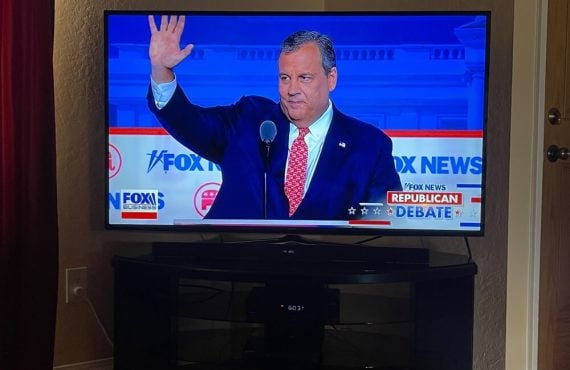
The elections portion of that conversation included a quote from Arizona Secretary of State Adrian Fontes, who said: “Whenever you’re making any decisions regarding elections, if you’re not doing it based in reality, facts and actual data, you’re doing it wrong, because voting is not a partisan issue.”
What the summit recap does and does not establish
NCSL’s article was a Part 2 roundup of lessons from the summit, not an announcement of new gambling legislation, enforcement action or regulatory guidance. It did not identify which specific sessions or panelists handled gambling addiction or sports betting, and it did not lay out any effective date, proposal text or next procedural step.
Still, the recap offers a useful signal for operators, regulators and bettors: gambling-related issues remain part of active state policy conversations, especially where they overlap with affordability, public health and unresolved legal authority.
Source: As reported by ncsl.org.