



 Share
Share 



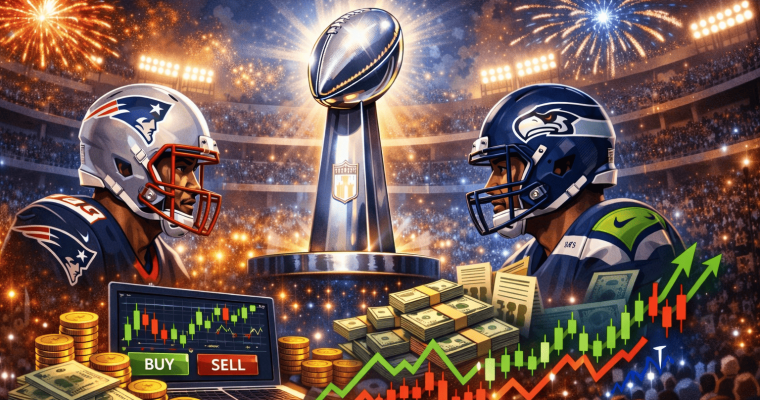
Prediction markets are experiencing unprecedented activity ahead of Super Bowl 60, driven by a recent federal regulatory change and increasing consumer access nationwide. Platforms like Kalshi and Polymarket have seen sharp spikes in Super Bowl contract trading following a new stance from the Commodity Futures Trading Commission (CFTC), which signaled support for lawful prediction‑market innovation. Kalshi processed more than $900 million in Super Bowl‑related trading, with over $500 million on the game‑winner market alone.
CFTC Reversal Expands Access Nationwide
Last week, the CFTC announced it would step away from earlier proposals that aimed to restrict political and sports‑related contracts. Instead, the agency plans to establish clear rules outlining how prediction markets can operate legally. This marks a significant shift from previous enforcement actions and allows platforms to offer Super Bowl‑related markets in all 50 states, even where online sportsbooks remain illegal.
Super Bowl Trading Volume Hits New Highs
Prediction‑market participation around the Super Bowl has reached record levels. Kalshi reported more than $500 million in Super Bowl contract trading by the end of the event, compared to roughly $27 million last year. Activity surged across markets tied to game results, player performance props, halftime‑show outcomes, and other event‑based contracts. Novelty Super Bowl markets, including halftime‑show outcomes, commercial‑appearance contracts, and other non‑game event props, saw significant trading activity across regulated prediction‑market platforms this year.
Industry estimates suggest total Super Bowl–related trading volume across prediction‑market platforms could reach $3.1 billion, a 39% year‑over‑year increase. A considerable portion of this activity is expected to occur on unregulated operators, raising concerns among consumer‑protection groups and state officials.
Regulators and Leagues Signal Ongoing Concerns
While federal regulators have softened their approach, several state officials have raised caution. Days before the game, the New York Attorney General warned consumers that prediction‑market products may resemble investment tools while lacking the protections associated with licensed gambling platforms. The office emphasized risks tied to unregulated operators and urged caution when placing Super Bowl‑related trades.
The NFL also maintains limits on advertising from prediction‑market platforms. These operators remain part of the league’s prohibited advertising categories for both the regular season and postseason, preventing them from appearing during Super Bowl broadcasts.
Legal Access for States Without Sports Betting
Because prediction markets fall under federal oversight rather than state‑level sports‑betting laws, users in non‑sports‑betting states—including California and Texas—were able to trade Super Bowl‑related contracts this year. Platforms listed a variety of binary Yes/No markets tied to the game, halftime‑show details, commercial appearances, and off‑field events that licensed sportsbooks in many states are not permitted to offer.
Broader Market Variety and Real‑Time Trading
Super Bowl markets this year included event contracts on the game winner, MVP odds, player stat outcomes, halftime‑show performances, celebrity attendees, and brand appearances during commercial breaks. These contracts can be bought and sold in real time during the game, allowing users to adjust positions dynamically—an experience that differs from fixed sportsbook wagers.
What This Means for 2026 and Beyond
The rapid growth of prediction‑market participation during Super Bowl 60 highlights a shifting U.S. betting environment. With the CFTC signaling support for formal rulemaking, and platforms expanding in both reach and volume, prediction markets are likely to remain a major factor in sports‑related wagering—particularly in states without legal online sportsbooks. At the same time, ongoing scrutiny from state regulators and sports leagues points to continued uncertainty around the long‑term regulatory landscape.